






















Using Reward Systems to Drive Real Student Motivation
Time:2025-10-16
Source:Artstep
I’ve spent most of my career walking into classrooms that feel half-awake.
Students slouched in their chairs.
A few eager ones trying.
The rest — just waiting for the bell.
If you’ve ever taught art, music, or dance, you know the struggle.
Talent isn’t the hard part — consistency is.
The challenge isn’t getting students to love what they do once.
It’s keeping that spark alive week after week.
That’s where the idea of a reward or points system first caught my attention — not as a gimmick, but as a structure that could make motivation visible.
Why Rewards Work (When They’re Done Right)
At first, I dismissed reward systems as childish.
Stickers? Badges? Points? Surely real passion shouldn’t need that.
But then I started noticing something.
The most disciplined students — the ones who practiced regularly and showed up — didn’t always start that way. They grew into it because someone, somewhere, made their progress visible.
That’s all a good reward system really does:
it translates invisible effort into something you can see and celebrate.
Over time, I’ve found that the best systems:
- Turn big goals into small wins. Instead of “become a great pianist,” it’s “attend all lessons this month.”
- Make progress measurable. Students can see their consistency and improvement, like a video game leveling up.
- Link behavior to recognition. Not bribery — but acknowledgment that every bit of effort counts.
When rewards are integrated naturally, they don’t replace motivation — they build it.
My First Experiment with a Points System
A few years ago, my art center was losing steam. Attendance dipped, and even good students were starting to skip sessions.
So I introduced a points system.
Nothing fancy — just handwritten logs at first. Students earned points for attendance, completing assignments, and helping classmates.
The results were immediate.
They started showing up early.
They stayed focused longer.
And they were excited to see their points grow.
But behind that excitement was a growing headache — the management side.
Manually tracking points for 100+ students became an administrative nightmare.
We spent more time calculating rewards than actually teaching.
The Turning Point: When Smart Tools Stepped In
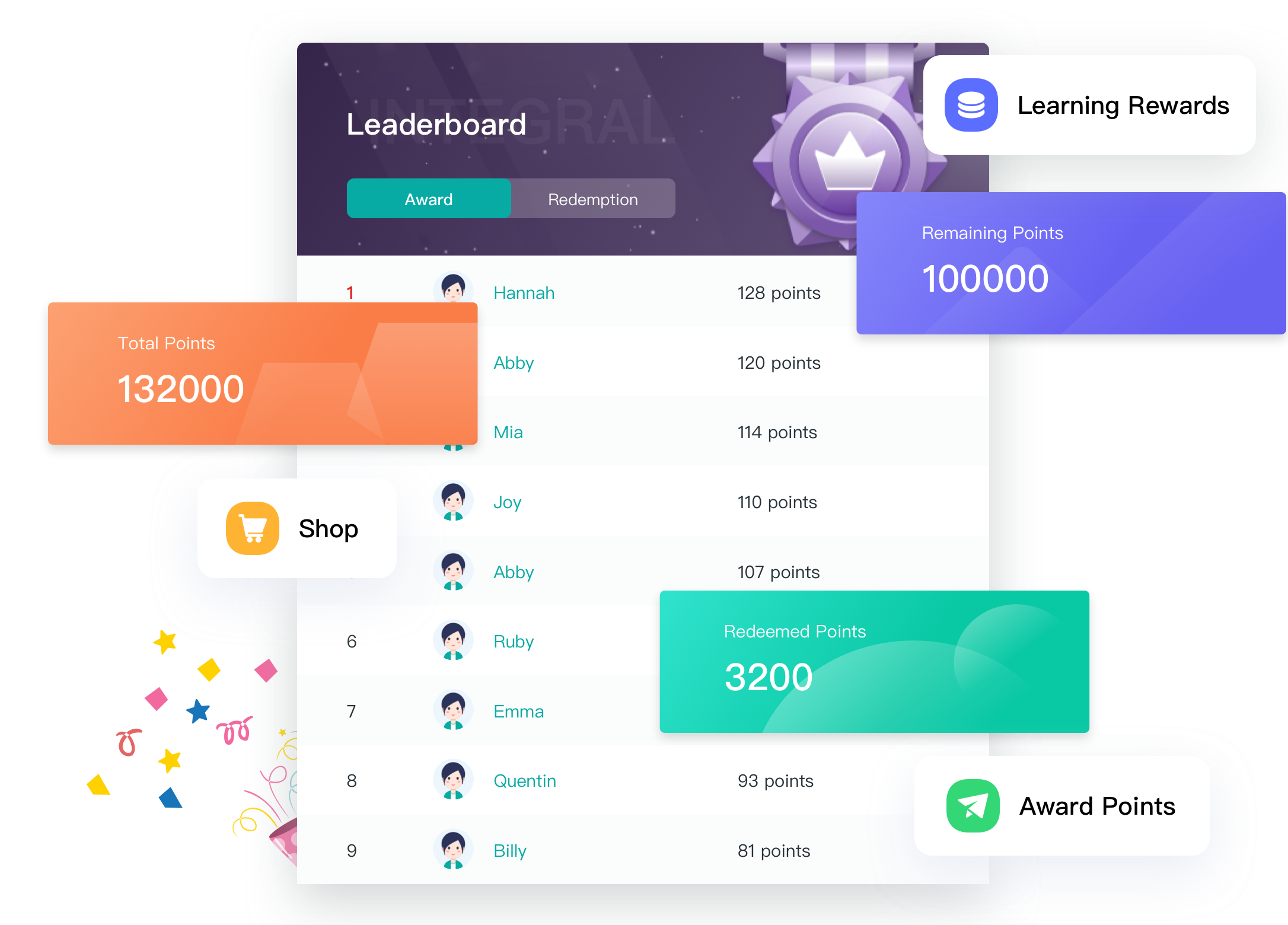
That’s when I discovered Artstep’s smart reward and points system — a game changer for schools like mine.
Instead of juggling notebooks and spreadsheets, the system automatically tracks attendance and performance.
Teachers can award points with a single click.
Students and parents can check their progress anytime.
No missed updates. No disputes. No burnout.
What I love most, though, is how it transforms culture, not just logistics.
Kids don’t just ask, “What do I get?”
They start saying, “How can I earn more?”
That shift — from external reward to internal drive — is where real motivation begins.
Making Rewards Meaningful
If you’re thinking of adding a reward system, remember: it’s not about prizes.
It’s about recognition that feels real.
Here are a few ideas that have worked in my experience:
- Privilege rewards: Let top students lead warmups or choose the class playlist.
- Experience rewards: Offer bonus creative sessions or student showcases.
- Practical rewards: Small art tools, books, or personalized feedback sessions.
- Social recognition: Display their work or achievements publicly — students crave that acknowledgment.
Each reward should tie back to your core values: creativity, persistence, teamwork, growth.
Why Motivation Systems Are Here to Stay
We live in a world full of distractions — screens, short attention spans, endless comparisons.
Students need anchors that remind them progress takes time.
A smart reward system, especially when powered by platforms like Artstep, gives that anchor structure.
It tells every student:
Your effort matters.
Your progress counts.
And your growth is being seen.
That’s not bribery. That’s education with feedback.
Because in the end, what keeps a classroom alive isn’t just passion — it’s the quiet recognition that every step forward is worth celebrating.
And if technology can help us make that visible?
Then maybe, just maybe, students will start showing up not because they have to, but because they want to.