





















Communication skills between home and school, bonus points for micro habits
Time:2025-12-08
Source:Artstep
Smooth communication between home and school, really not relying on lengthy speeches!
Share 9 useful micro habits that I have put into practice. See the details for the real chapter, and shorten the distance with parents in minutes, making cooperation soar:
1. "Emotional Delay Key":
When receiving a slightly emotional message from a parent, force yourself to wait for 5 minutes before replying. These 5 minutes are used for deep breathing and grading two assignments, making the response more rational and gentle. (Avoid adding fuel to the fire)
2. Progress Visualization "Display:
Set up a "small progress display area" in the corner of the classroom (such as neat handwriting assignments and helpful small cards). Take a clear photo every week and leave it in the group chat without explanation. (Parents will find their own highlights, with a stronger sense of surprise)
3. Caring for love:
At school, for a child who is clearly not in good condition that day (such as recovering from illness or feeling down), gently say to the parents who come to pick them up: "xx is a bit tired/homesick today, please hug him more when you go home. ”(Key information is direct, parents feel intimate)
4. Surprise of "note folder homework":
Occasionally, put a sticky note in your child's workbook, draw a smiling face, or write a sentence like "You spoke so loudly today. Parents accidentally discovered while flipping through their homework. (Emotional Direct Strike)
5. Send some classroom photos:
Choose a regular break on a non activity day, take a photo of the children quietly reading or focusing on doing exercises, with a brief caption: "At this moment, the classroom is just sunny." (Show the beauty of daily life and relieve anxiety)
6. Timely thank you for feedback:
A parent silently did small things for the class (such as sharing learning resources, cleaning up), and immediately sent a message: "Thank you very much for helping organize the book corner today. The children were very happy during their afternoon reading." (Specific thanks, more heartfelt than group praise) 7. "Blank space in the homework book" Dialogue: When grading homework, occasionally write a non academic sentence in the blank space with a pencil: "You comforted your desk mate today, it was so warm!" Parents can see it when signing. (Exclusive communication channel)
8. "Off peak communication" note:
For children who require special attention, write a concise observation note (such as "Raise your hand 3 times this week! Focus for 5 minutes longer!") and ask the child to bring it home to their parents on Friday. (Avoid instant messaging pressure and focus on information)
9. "Family school co education bookmark":
At the beginning of the semester, write/print a few simple family education tips by hand (such as "Embrace for 10 seconds every day to recharge", "In front of a problem, ask 'What do you think?'"), cut them into bookmark sizes for children to take home. (Simply convey the concept, parents can easily pick up the book)
The key to these 9 techniques is' no trace '. Not intentionally notifying, not creating additional communication tasks, and not increasing the burden on both parties.
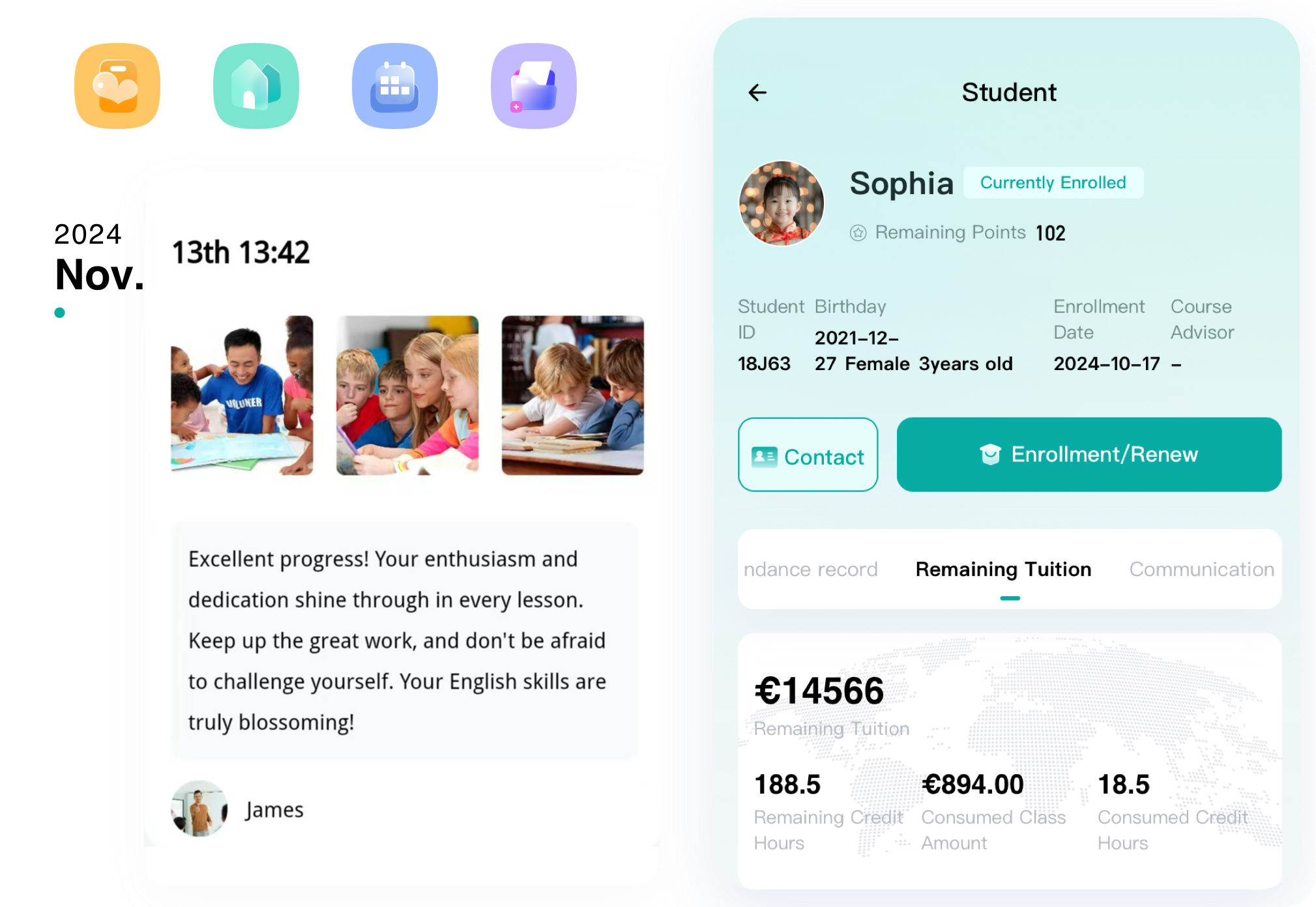
Of course, we can also use our home school communication tool, Artstep Academic Affairs System, to timely showcase the growth and changes of children to parents.