






















Skills for training institutions to manage students
Time:2025-11-14
Source:Artstep
Only by managing children well can teaching effectiveness be easily achieved.
Parents will be more satisfied at that time.
1. Establish rules in advance
This is the bottom line of training institutions. Only by adhering to your bottom line can parents better respect teachers, and teachers' teaching work can be better carried out, thereby ensuring the teaching effectiveness and progress of children, and achieving a win-win situation for all three parties.
2. Adhere to principles
The reward and punishment system mentioned in the fourth point must be strictly implemented. For example, taking leave: You can no longer send a message to the teacher on WeChat like you did a long time ago, regardless of whether the teacher saw it or not. But it is necessary to apply to the teacher through the system, and after the teacher agrees and arranges the next make-up class time, the parents can officially complete the leave.
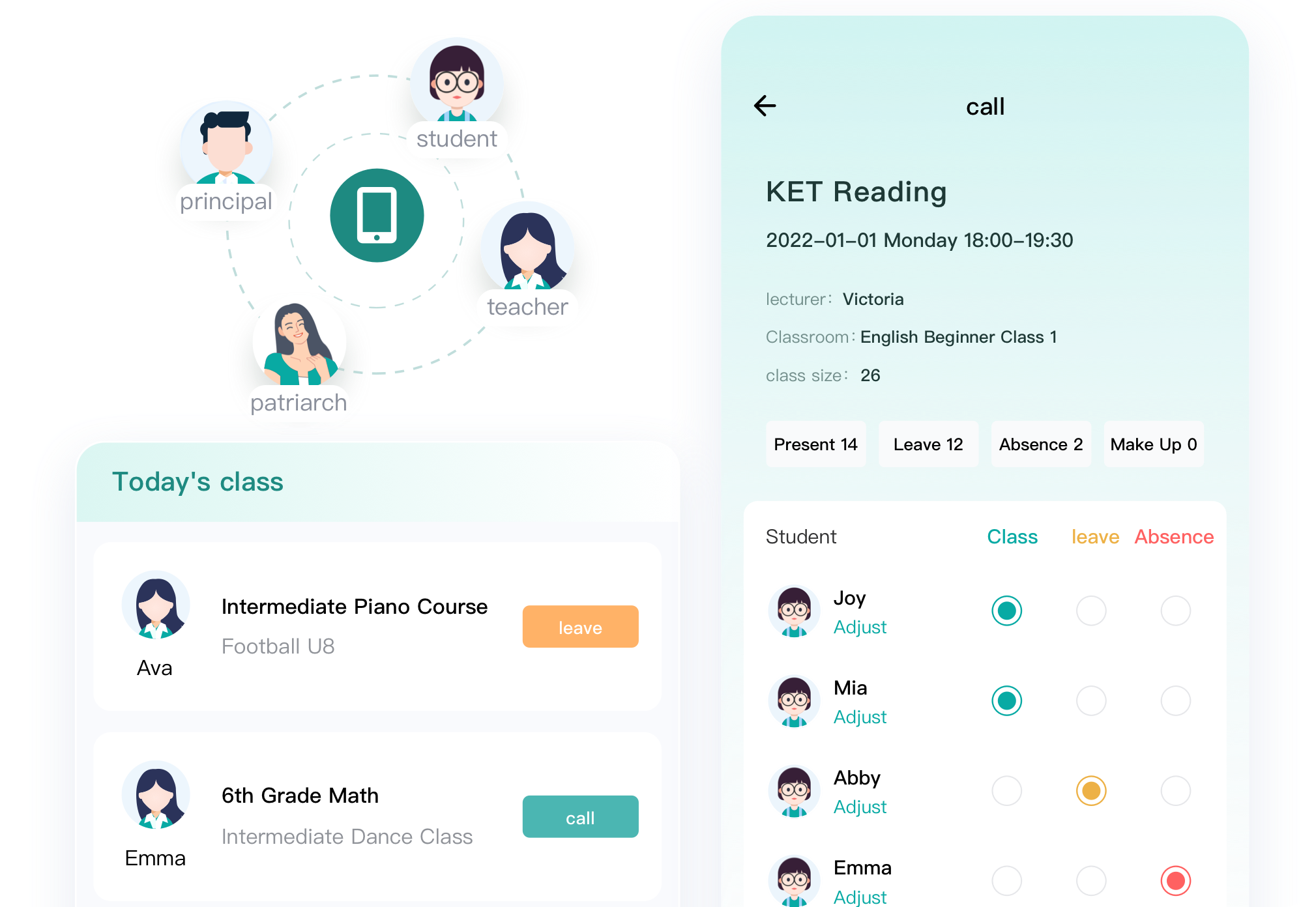
3. Learn roll call skills
Apart from the initial roll call in class, sometimes it can be used to ensure classroom discipline. For example, when someone is willing to chat with other children during class, the teacher can use a roll call tone to help the children better perceive their emotions. At the same time, being named by the teacher has a very supervisory effect on children.
4. Establish a suitable system of rewards and punishments
Children who perform well must be praised, and those who make loud noises in class must be punished. Through the principle of rewards and punishments, children can be satisfied. Combined with a points system, when children have enough points, they can exchange them for gifts they like.
5. Effective punishment
Invalid punishment will only fuel children's arrogance!
Communicate with parents in advance. If children behave too much, there will be some punishment, but it will not be too excessive. It will only make children more focused and serious in class, so as not to let down the hard work of parents.
These punishments must be imposed on the junior brother, and they must be avoided from being too loud and too heavy. Using points is very suitable!
6.Don't always get angry
Getting angry is not good for the body, especially for female teachers. Moreover, frequent outbursts are like having too many lice and are not afraid of itching for children. No matter how angry the teacher gets later, it will not affect their mood. So, occasional outbursts are the only way to intimidate children.
7.Praise to Specific
Don't blindly praise: You're amazing, you're really amazing. But it's about praising specifically, for example: the details of this place are drawn very well, today's movements are very standard, and I came to class on time today.
8.Eyes and movements are important
Excellent teachers can let children know what they should do next through their eyes!
When you have nothing to do, you can exercise your eyesight. Sometimes a glance can really be very effective! Combined with actions, it's truly unbeatable