





















How to choose a suitable academic system for art training institutions
Time:2026-01-21
Source:Artstep
School academic management has always been an important part of the daily management work of various universities, and it is also one of the most headache inducing aspects for many academic teachers.
Therefore, many schools are now adopting school academic management systems to assist in the management of academic teachers. Under the pressure of managing academic teachers, what aspects should be considered when choosing a school academic management system? Let's learn about it together below.
1. Buying a school academic management system must be based on one's actual needs
There are many products on the market, but their functional focus will vary. For educational and training institutions, they must have strong enrollment management functions to meet their needs.
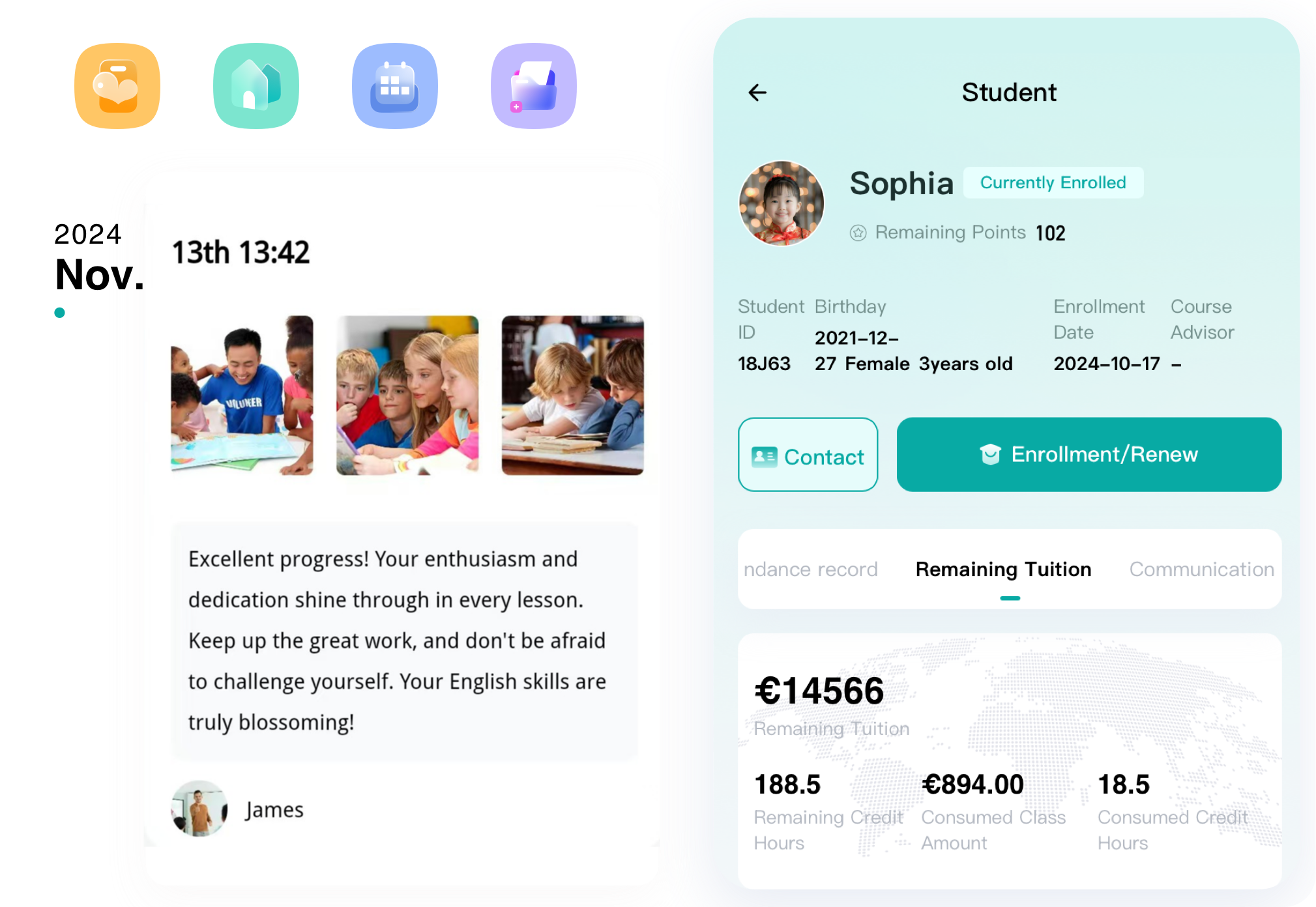
Judging by reputation: Generally, systems with good reputation will gain the trust of many training schools, and there will also be many schools using them. Such systems are trustworthy.
2. Unlike general commodities, management systems are not a one-time deal
In the process of use, we usually encounter various problems. A formal system will have a strong technical team and after-sales team to maintain it, answer the system's functions and customer questions, and provide sufficient after-sales support.
3. For educational and training institutions, the security of data and information is beyond doubt
This requires the management system to effectively ensure data security without putting pressure on operation and maintenance, so careful selection is necessary.
How can an art training institution choose a more suitable academic system for itself?
4. The universal system is not suitable for school scenarios
Throughout the entire process, implementing information management is a necessary stage for every school, and the difficulties in the initial stage of implementation are also inevitable. However, the reasons for these difficulties are multifaceted, and the system itself can generate many stories.
For example, the universal systems on the market generally have a wide range of functions and are more suitable for simple scenarios and very short business processes, such as retail stores.
Some principals may choose multi industry ERP systems to manage their campuses, in order to make their academic and financial data clearer and more specific, in order to improve campus management efficiency. At the beginning, they were often able to handle it, but it wasn't until the enrollment season arrived and various businesses became busy that they realized that there were actually many scenarios and business processes that were not suitable.
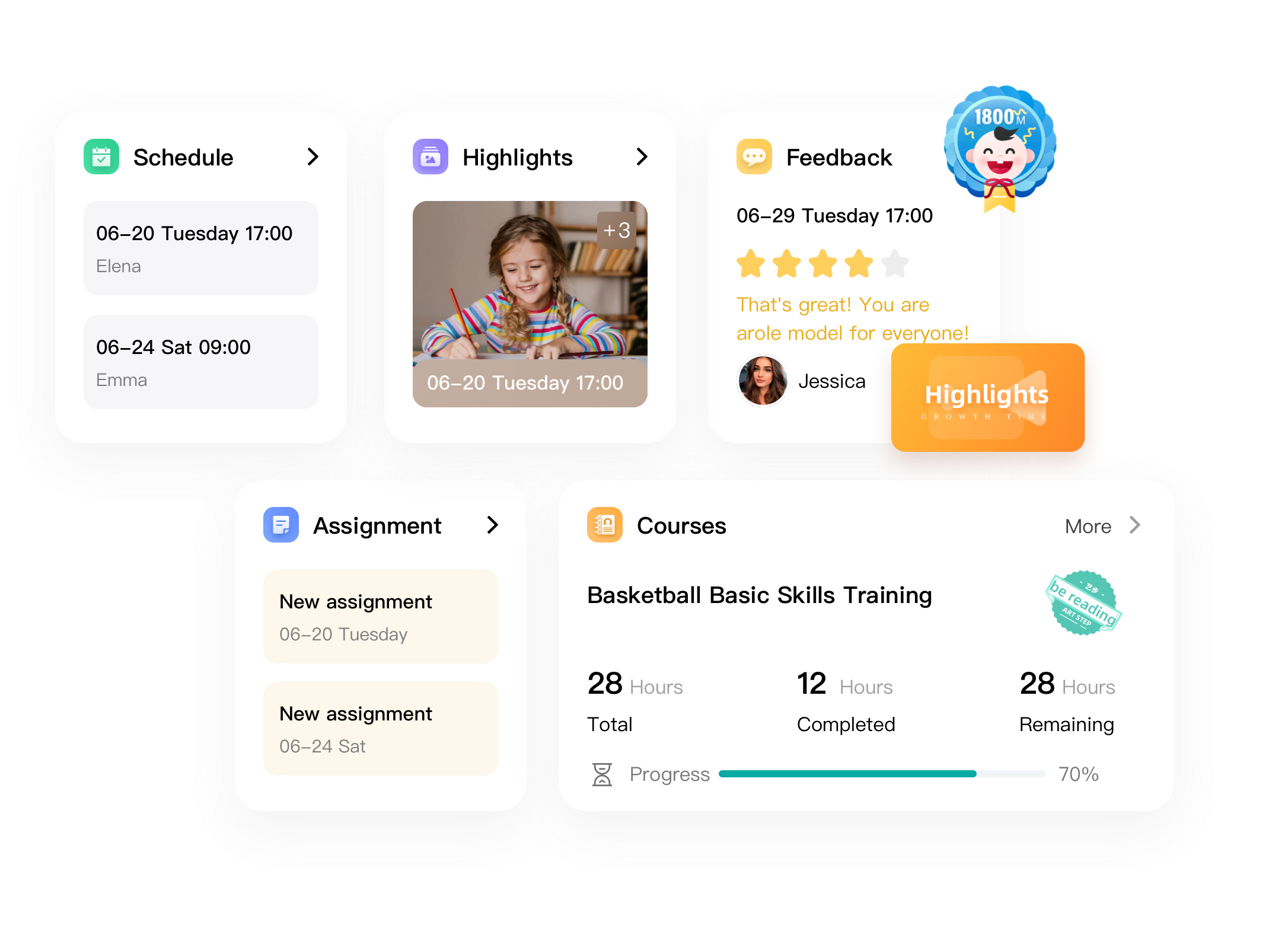
For example, the "scheduling and adjusting courses" function requires confirming teacher and classroom resources, and arranging courses that satisfy parents and students based on course attributes and student situations. In other scenarios, such requirements are rare, so there is also a lack of available functionality in general-purpose systems.
We can understand that some campus operators may choose to purchase generic software in order to save costs and deploy quickly.
This approach is not necessarily wrong, but the universal system is aimed at all users, and purchasing standardized software is a bit of a lottery. Few software designs exactly meet the needs, especially in the complex scenario of the education and training industry.
The reality is that a universal system does not meet the needs of schools, either by increasing the workload of employees or requiring schools to adapt to the business processes of the system, which can actually affect the user experience of school teachers and students.
5. Professional systems have necessary value!
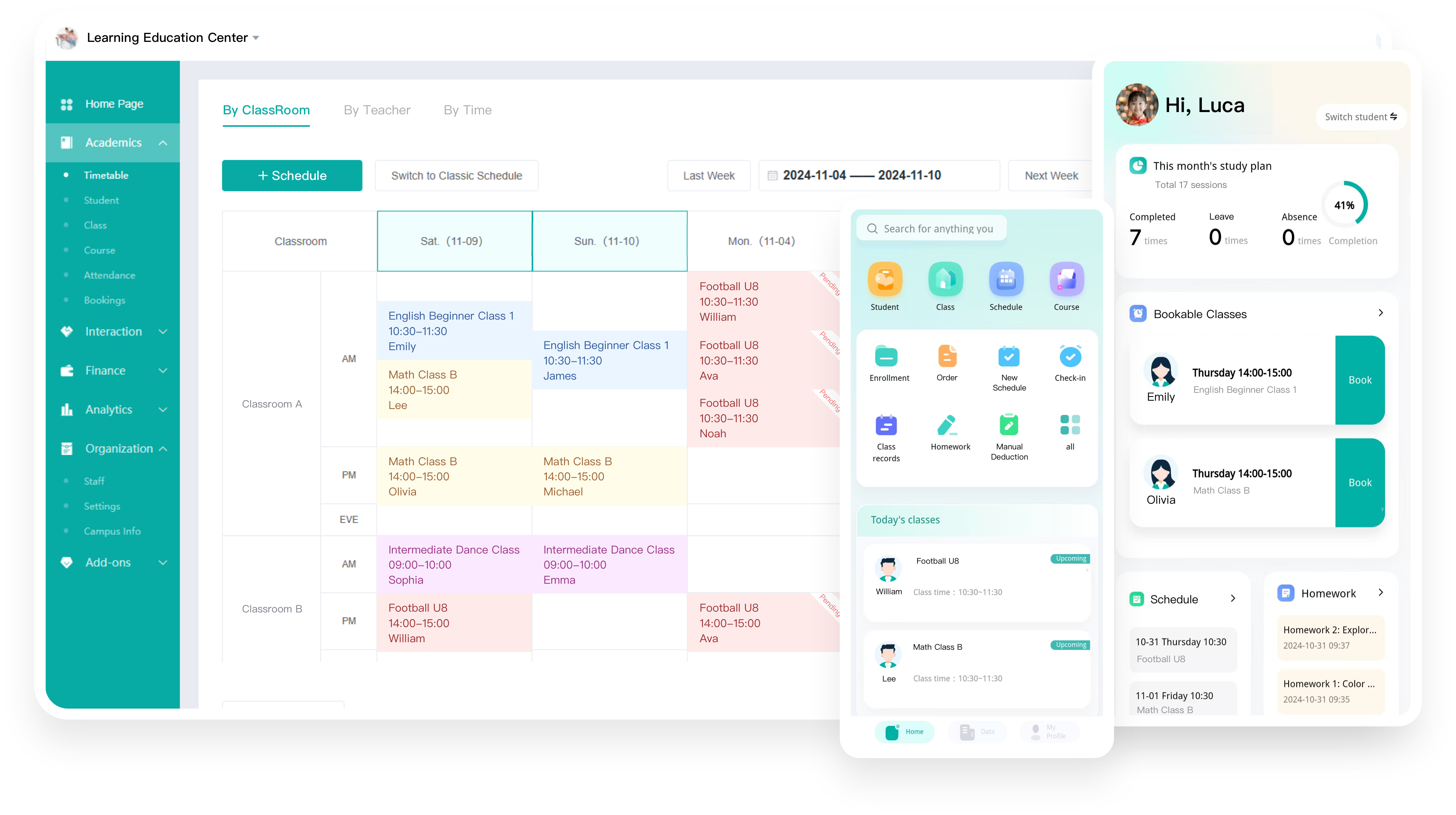
In addition to general systems, there is another type of professional vertical software, which has very vertical and professional business attributes. For example, the Art Step Training School Management System serves art training clients, integrating the business logic of a single industry into product development. The product attributes are very strong, emphasizing the polishing of business logic and optimization of product details.
Perhaps you may think that some general systems still look quite similar, with user management, employee management, inventory management, reporting and other functions.
But when it comes to the details and interactions of each function, each system has its own product attributes.
The differences in product attributes mainly depend on the understanding of industry business by product developers and the direction of the company's research and development business. For retail systems, they are definitely not suitable for the education and training industry, which is inevitable. Because every interaction design step of the product will affect the efficiency of your campus operations in the future.
The complexity of campus operation is very intricate, and its business logic contains too many tricks. There may be a thousand business strategies for one thousand schools, which requires very high requirements for the implementation of the system. This leads us to have to choose management systems that are perpendicular to the teaching scenario.