






















Zero loss from registration to course start: Using 'invisible connections' to make parents reluctant to leave
Time:2026-01-08
Source:Artstep
But the true techniques that make parents and children "must come" are hidden in those seemingly inconspicuous "invisible connections" - using community to maintain warmth, igniting expectations with a sense of ceremony, resolving doubts with anticipation, and binding hearts with small investments.
Establish a 'community anchor' and maintain presence through 'weak interaction'
Many institutional communities, once established, become "zombie groups" - no one speaks or interacts. But the root of the problem is not actually "no one operates", but rather "too frequent and deliberate interaction".
Truly effective community operation should not be a disturbance, but should be like a "background sound": not overwhelming, but always present, silently creating an atmosphere, and continuously conveying value.
1. Group positioning: Service group rather than marketing group
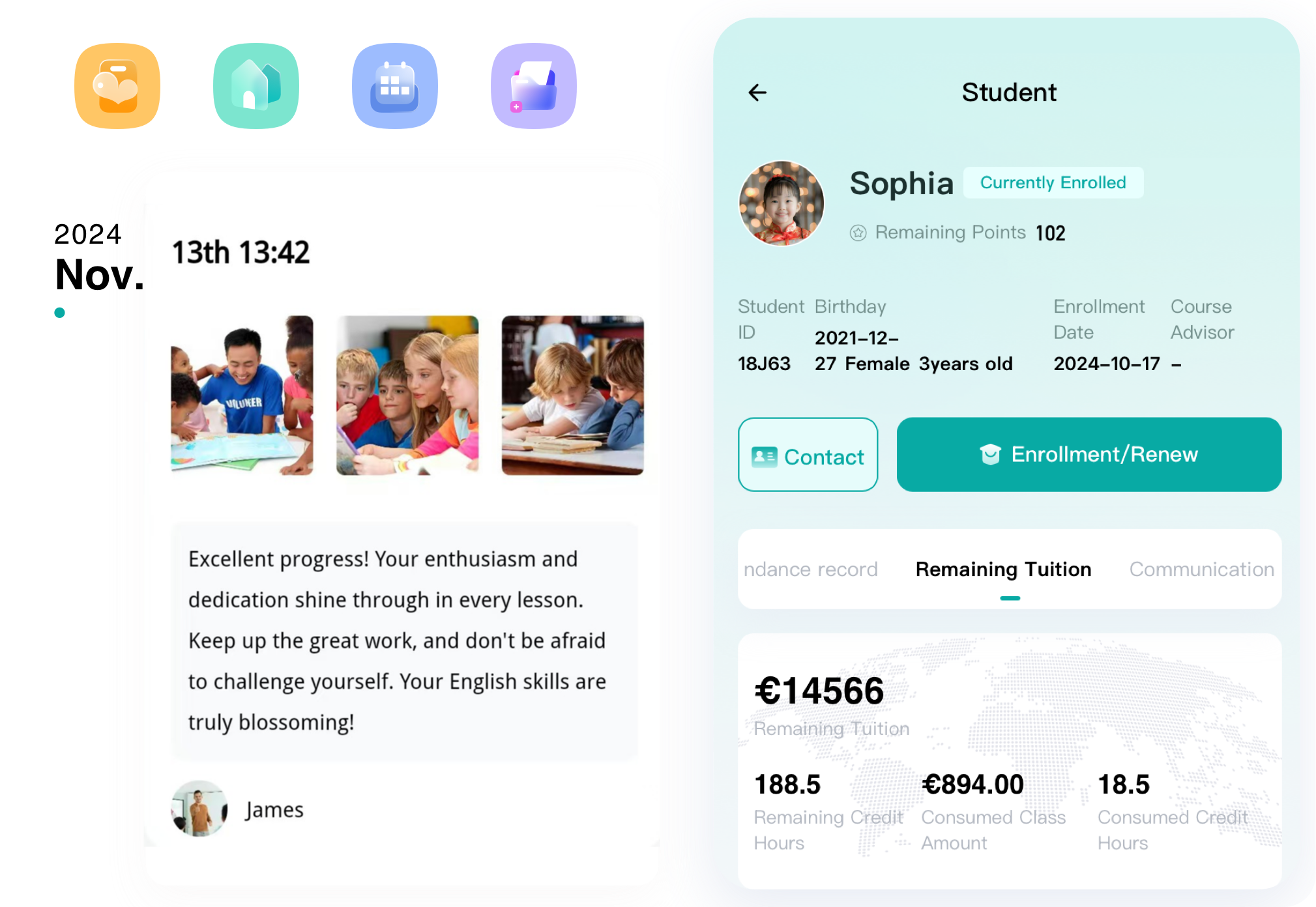
The welcome message for joining the group clearly states the following rules: "This is the exclusive community of xxx institution. We share one learning tip every day at 12 o'clock and collect questions for centralized answers every Friday. We do not post advertisements. ”
2. High participation interaction
Daily light interaction: "Today's small question: Is it easy for children to get distracted while doing homework? Share 1 good method you have used, draw 3 and receive concentration training cards." (Using parental pain points to resonate)
Parent assistance: "Do any parents need parking guides near XX campus? I have sorted it out and sent it to everyone. ”(Solving practical problems)
Countdown 'Expectation Management' and Strengthening Course Motivation with 'Ritual Sense'
People tend to have expectations for 'upcoming events', but they need constant reminders. Design a "countdown action" for three key nodes to make the course truly "something to look forward to".
Seven days ago: "Course Highlights Preview"
Video posted: "There are still 7 days left from class! Teacher XX specially recorded a short video to talk about the 3 most unique designs of this course! ”
Three days ago: "Exclusive Preparation Package"
Send the 'Course Preparation Checklist': 'Please check the course preparation checklist for XX baby: ① Bring 1 pencil;'; ② Wear comfortable shoes (with group interactive games); ③ Prepare a small question about XXX (there is a 'polite questioning' section in the first class). ”
One day ago: "Real person reminder"
The homeroom teacher spoke in voice: "Mom XX, classes start at 9 o'clock tomorrow. The classroom is on the 3rd floor at 302 (with a route map attached). I will wait for you at the door. If you can't find the way, please call me anytime. ”(Voice is warmer than text)
Risk prediction mechanism and early resolution of three types of potential loss hazards
In fact, many times refunds occur when there are doubts but they are not spoken out. Proactively anticipating problems is more effective than passively responding.
1. Sort out the reasons for high-frequency loss (with corresponding dialogue techniques)
Parents are concerned about the effectiveness: "We understand that you are worried that your child may not be able to keep up, so we have specially arranged a 'learning feedback meeting' in the second week after the start of classes. We will send videos of your child's classroom performance and progress records. If there are any problems, you can adjust to the basic class for free.
Time Conflict: "If Saturday morning is really inconvenient, we have a parallel class on Wednesday night with exactly the same content. Do we need to help you transfer classes.
Competitor interference: "Recently, there have been some institutions doing activities. Actually, our course includes 3 one-on-one tutoring sessions (which competitors do not have). After the course starts, you can compare and if you feel it's not worth it, you can get a full refund 3 days before the course starts.
2. Proactively follow up on key nodes
On the 3rd and 10th day after registration, conduct one brief follow-up visit each: "Have you received the materials we sent these days? Has your child said they want to attend class or not?" Use open-ended questions to guide parents to express their real concerns.
The design of 'sunk costs' makes parents reluctant to leave.
People find it harder to give up on things they have already invested in. Design two low-cost 'small investments' to increase the threshold for turnover.
Student end: Exclusive progress binding
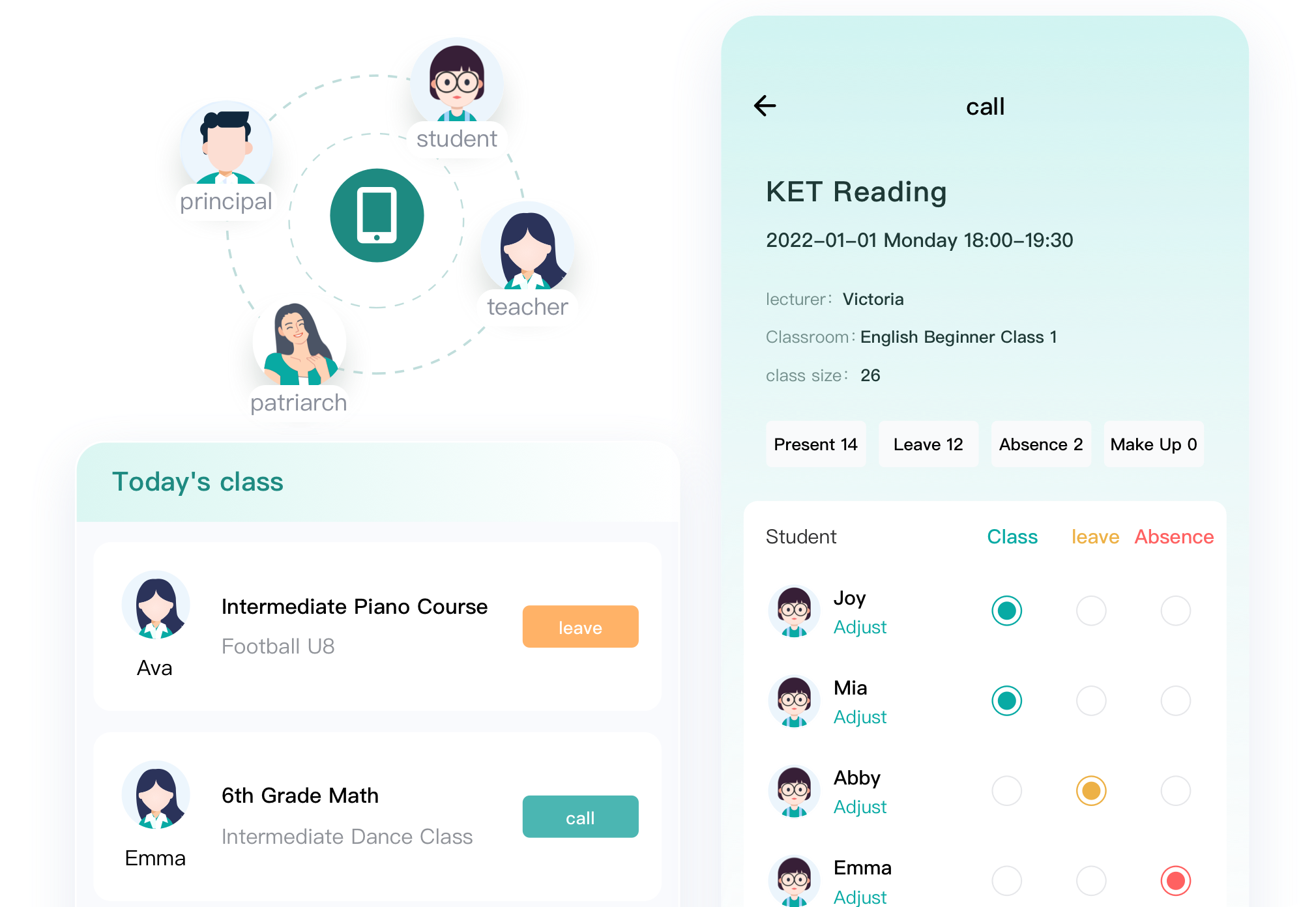
Enable children to have "accumulative exclusive identification" and retain expectations with "progress continuity".
Example: Before the class starts, give the child a "course exclusive points card" with cartoon characters and 12 blank star grids on the card surface. Please note that every time you perform well in class, the teacher will give you a star. Collecting 6 stars will earn you a small badge, and collecting 12 stars will earn you a graduation gift. Remember to bring them with you for the first class, and we will first give you a 'Starting Star'.
Parent end: Growth comparison binding
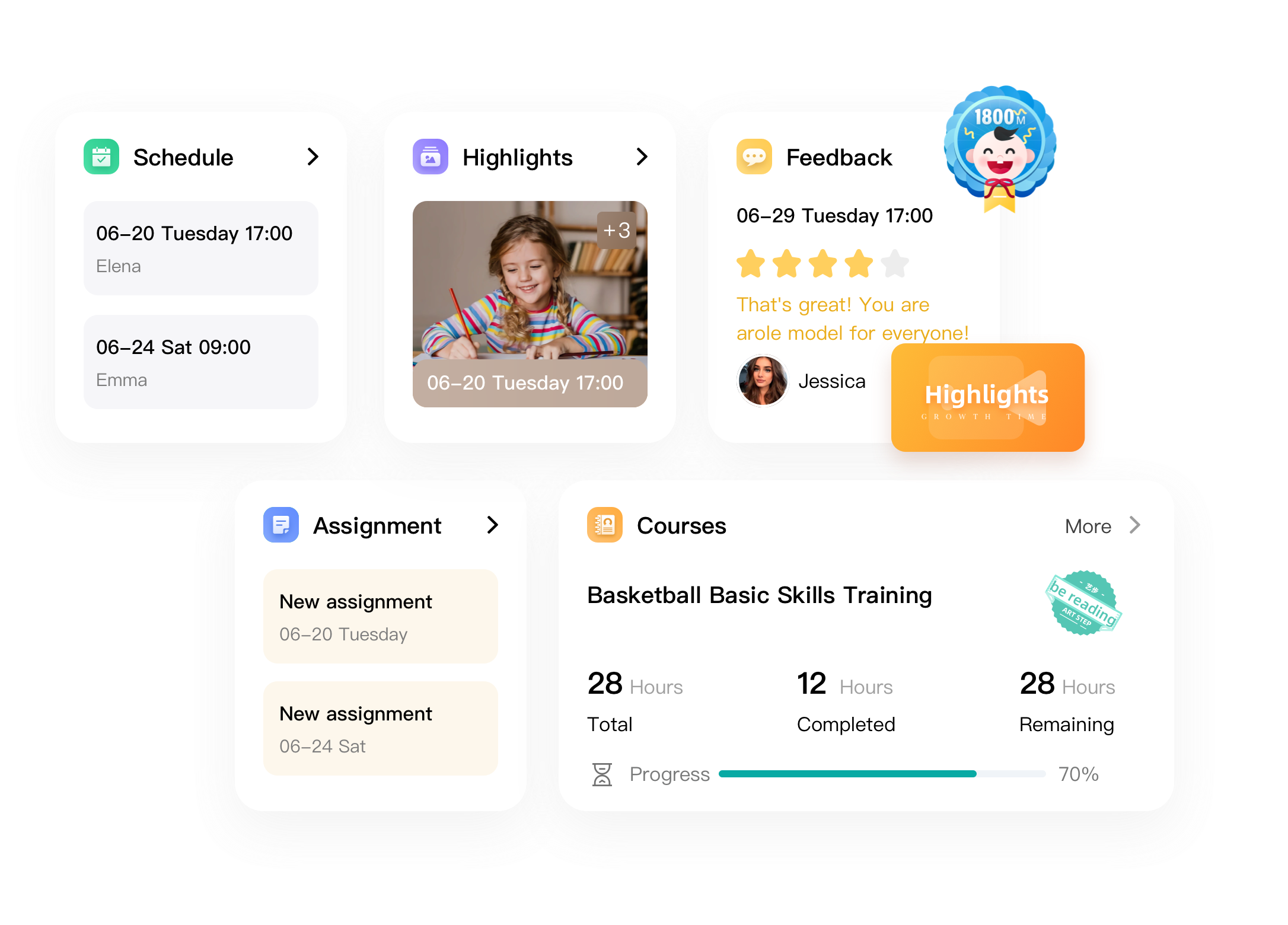
Encourage parents to participate in traceable growth records and reduce the possibility of loss through the desire for complete records.
Example: Before class starts, send parents a "Child Growth Observation Form" with three filling columns: "Early Stage of Class", "Mid Stage", and "End of Class". The early column should be filled in with "The child's current small characteristics" (such as "When doing homework, it is easy to stare at the birds outside the window and lose focus", "When building blocks, if parts cannot be installed, the blocks will be pushed away directly", etc.). Attached message: "This form can be used to record the child's current appearance. After the start of the class, we will fill in the changes with you at each stage.
At the end of the class, you can clearly see the child's progress, and it can also be kept as a souvenir.
Parents choose institutions not because they can't quit, but because they can't let go - they can't let go of the teacher who prepared seriously, the child who looks forward to being stamped, and the choice that they have already put their heart into.
Every detail from registration to the start of classes is answering a question: "Is your institution worthy of parents' trust?" The answer is hidden in the handwritten admission notice, in the detailed "real person reminder," and in the "Child Growth Observation Form" prepared for parents.