






















How can training institutions effectively communicate between home and school?
Time:2025-12-11
Source:Artstep
The communication between training institutions and parents is an interaction between teachers and parents, which can effectively enhance mutual understanding and better gain the trust of parents.
Only on the basis of good communication can the possibility of service arise. In order for training institutions to provide good service, the primary task is to establish a communication bridge between home and school. Today we will talk about how training institutions can communicate effectively between home and school.
The time process of home school communication is mainly divided into three stages: early stage, middle stage, and late stage, each with different performance characteristics and communication priorities.
1. Early stage
This mainly refers to one to two weeks after the start of the course. During this period, the trainees are still in the adaptation stage and need to gradually adapt to the learning and life in the training institution.
So the work at this stage is to eliminate parents' anxiety and concerns about their children. When registering for the start of the school year, the homeroom teacher should proactively obtain the contact information of parents in order to facilitate communication between work and home school in the later stages, and let parents know about their children's current situation at the training institution.
2. Mid term stage
At this stage, training institutions can establish a friendly relationship with parents through methods such as educational system communication. In addition to exchanging topics about students, it is also possible to engage in personal interest and life related communication, make friends with parents with a sincere attitude, and lay a good foundation for continuing classes.
When communicating, it is important to identify the needs of parents and come up with solutions to increase their value and achieve one's own expectations.
3. Late stage
The period from mid semester to the end of the semester can be considered as the later stage of communication. At this stage, it is necessary to listen to the parents' demands, solve problems for them, and inform them of the students' learning progress. Sometimes, parents also need to cooperate to complete the students' education work together.
The later stage is the most important stage and the focus of communication between home and school. Training institutions should make every effort to do a good job in this stage.
Good communication is the foundation of service, but a good attitude is the foundation of communication. It is students who provide teachers with opportunities for service, so do not communicate with parents in a "master" manner, but with a sincere attitude.
4. Be well prepared and respect each other
Prepare the communication topic before the exchange, and have a clear understanding. If you want to analyze the training effect, you need to prepare relevant materials, such as students' calligraphy and painting works. Adequate communication preparation is also a form of respect for parents.
In the process of communication, use calm and impartial language, have a positive and optimistic tone, create a good atmosphere for conversation, do not be careless, and make parents feel that you attach great importance to this communication.
5. Proactively inquire and patiently listen
In daily life, about 80% of people choose to remain silent rather than complain about unsatisfactory services, and many parents have the same attitude. However, this does not mean that parents do not want to know about their children's situation.
If parents are not proactive, training institutions need to take the initiative to understand their inner thoughts and true demands through various means, listen to their suggestions and feedback more, which will also greatly help improve and enhance the teaching work of training institutions.
6.Seek truth from facts, be objective and fair
When communicating between home and school, the homeroom teacher should truthfully inform parents of the true situation of the students and not judge them with personal thoughts.
If there are problems with the trainees, gently point out their mistakes and reflect on the shortcomings of the training institution in their work. Don't just pick the good aspects to please parents. Instead, speak sincerely about the strengths and weaknesses of the students and provide future educational advice.
7.Perseverance and long-term communication
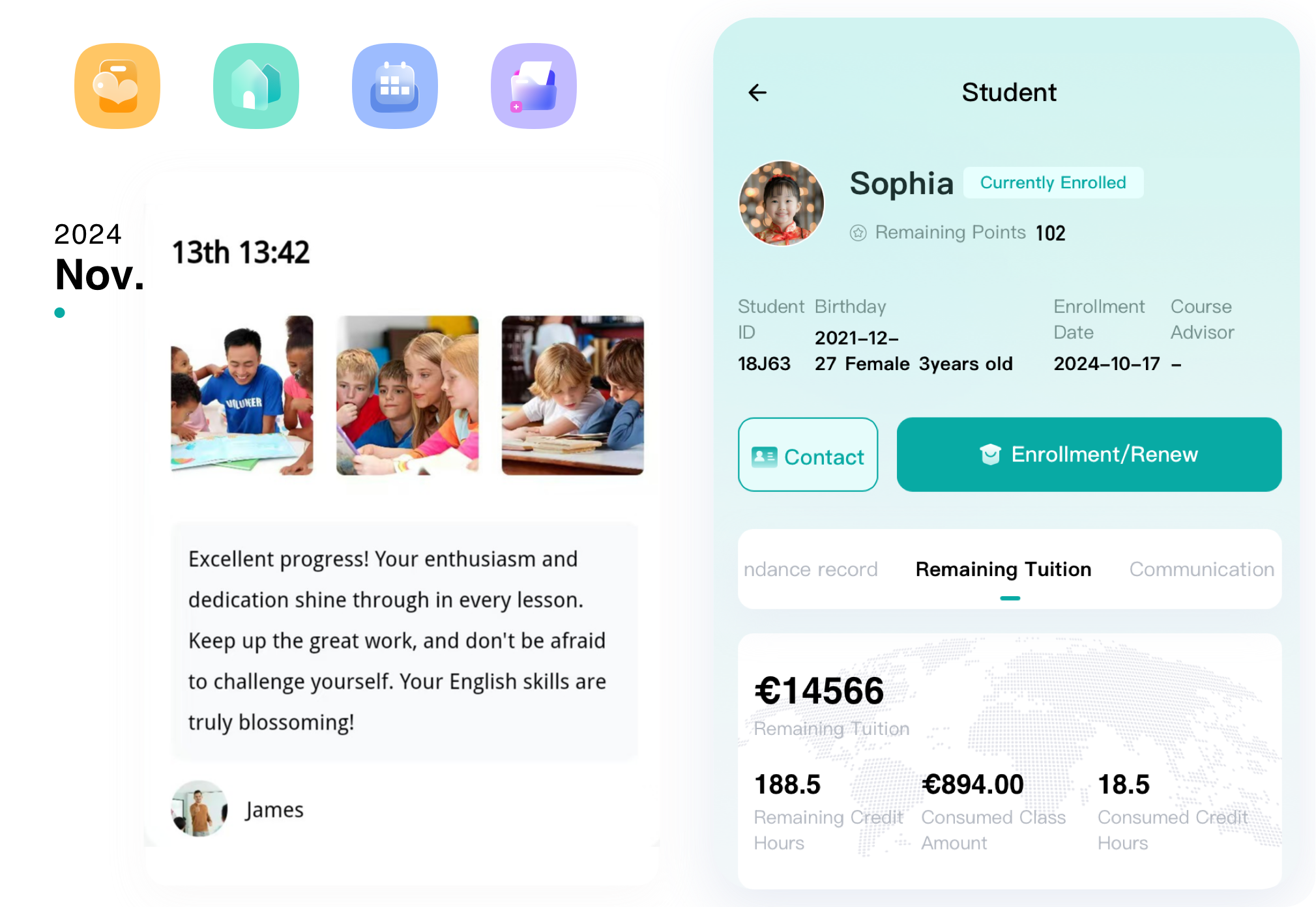
Communication is a long-term process, and persistence is equally important in home school communication. Perseverance is the guarantee for establishing a good communication relationship between home and school.
8.Respect parents and treat everyone equally
Parents should be treated with an equal attitude, respecting their personality and viewpoints. They should patiently, humbly, and sincerely listen to their reasonable and beneficial suggestions, and strive to create a harmonious, relaxed, and pleasant communication environment.
Due to differences in parental culture, occupation, personality, and income, we should not be overly enthusiastic towards certain influential and powerful parents while treating ordinary parents coldly.
9.Treat each other with sincerity and care for each other
Parent teacher conferences are the most direct and effective way of communication between families and schools. I have seen such parent teacher conferences where teachers speak on their own without considering the feelings and emotions of parents.
For example, turning parent teacher conferences into "complaint meetings" and blindly criticizing students' shortcomings and negative behaviors can easily cause parents' resistance.
10.Affirm students and encourage them as the main focus
In communication work, the learning and growth of students are the focus. A compliment from a teacher can make parents feel happy and even affect their attitude towards their children. This rewarding behavior and language serve as encouragement and to some extent reinforce the child's desire to continue working hard.
At the same time, this affirmation can also make parents face teachers easily, confidently, and happily, actively raise their children's current problems to teachers, and strengthen communication and interaction with teachers.
11.Empathize with others and think from their perspective
The current trend of teachers in training institutions is towards younger generations, with many lacking parental experience. Even if they already have children, they often encounter difficulties in reaching consensus when communicating with parents.
This requires teachers to learn to put themselves in others' shoes, understand the characteristics of their roles, empathize with parents' love for their children, and put more effort into understanding parents' emotions and needs.
Communication work is the foundation for ensuring smooth teaching. Strengthening communication and management between families and schools is conducive to improving the reputation and enrollment efficiency of training institutions.
Communication starts from the heart. As a training institution, have you made your communication work "at home"?